
Identify & document
Build a working vocabulary for art, books, manuscripts, maps, prints and historical objects. Record identifying features accurately and distinguish observation from interpretation.
Cultural-property protection
Specialist training programmes for UAE police and private security, alongside customs and heritage professionals. Practical knowledge helps teams recognise cultural material, document it with care and bring the right expertise into the response.
Cultural awareness. Operational relevance.
Cultural-property protection begins with informed observation. Recognising an early book, a manuscript leaf, a historical map or an inscribed object can help a professional record the right details and seek a timely specialist assessment.
Al Warda develops tailored programme proposals with relevant organisations and subject specialists. Content, exercises and assessment are shaped around the participants’ responsibilities, experience and working environment.
Discuss a tailored programme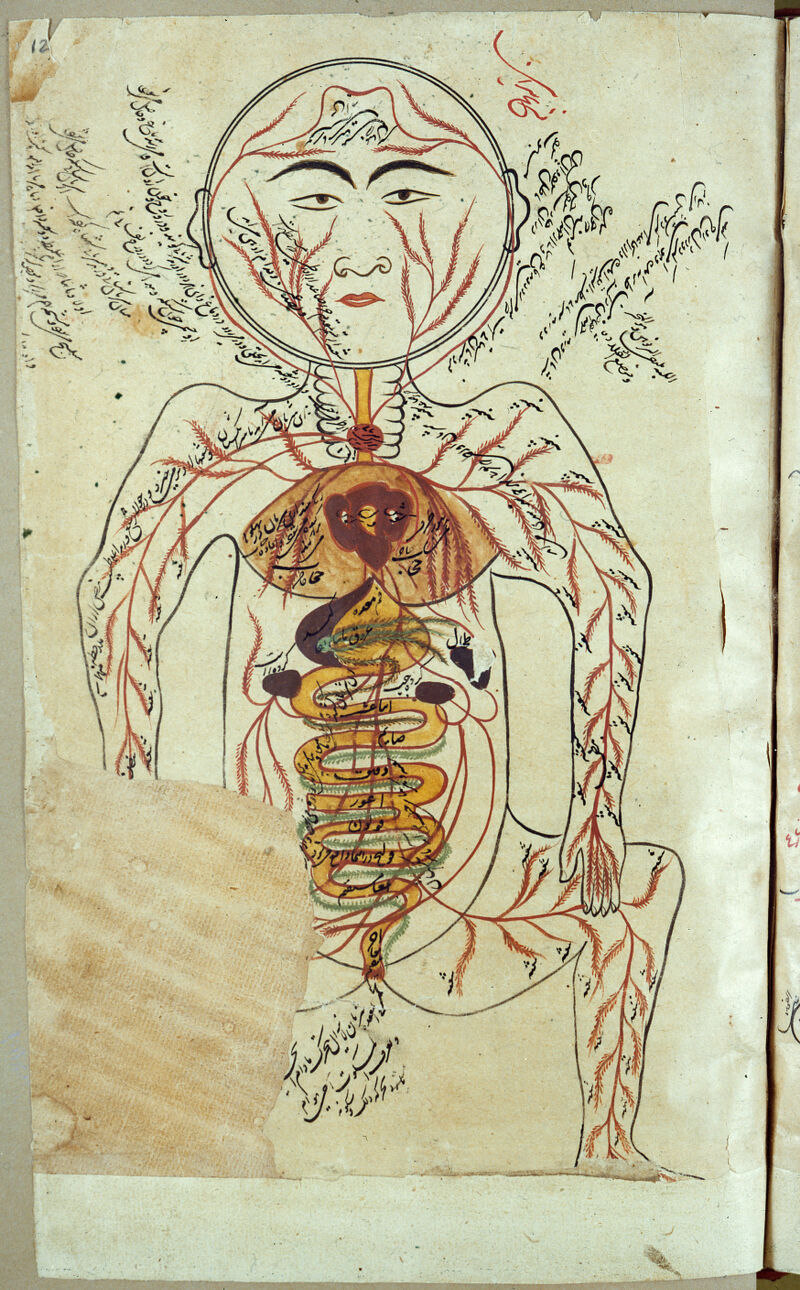
Documentary illustrations. Image credits & scholarly sources.
A practical curriculum
Learning combines cultural and material knowledge with the documentation, communication and response skills relevant to day-to-day work.
Build a working vocabulary for art, books, manuscripts, maps, prints and historical objects. Record identifying features accurately and distinguish observation from interpretation.
Recognise features of paper, bindings, printing, inscriptions, marks and object construction. Compare originals, later editions and reproductions, and identify questions for a specialist.
Practise appropriate initial handling, minimise unnecessary contact and create clear photographic and written records while preserving the object’s condition and evidential context.
Read descriptions, dates, dimensions, edition statements, condition terminology and auction references critically, with attention to what a catalogue establishes and what needs further enquiry.
Prepare clear specialist referrals and support effective communication between police, customs, heritage professionals, collections teams and other relevant investigators.
Use structured incident reporting, preserve relevant observations and follow the organisation’s escalation procedures, with actions matched to each participant’s professional role.
Role-specific learning
Programmes give every participant a useful contribution to cultural-property protection while respecting the procedures and responsibilities of their organisation.
Identification, safe evidence documentation, catalogue interpretation, investigative cooperation and specialist referral, aligned with the relevant organisation’s procedures.
Observation, incident reporting, initial protective measures within the assigned role and prompt escalation to the responsible authority or collections team. Investigation, seizure and specialist attribution remain with the appropriately authorised professionals.
Consistent object documentation, material-awareness refreshers, incident preparedness and effective communication with security teams and investigating authorities.
Learning through practice
Practical case studies and simulated exercises connect specialist knowledge to the decisions participants make at work. Assessment criteria are agreed as part of each programme proposal.
Examine documented examples and compare the features of books, maps, prints and historical objects.
Work through a simulated encounter, produce an initial object record and select the appropriate reporting or referral route.
Assess accurate observation, clear documentation, safe handling decisions and role-appropriate escalation, with structured feedback.
Developed together
Programme formats range from an introductory workshop to a focused series of specialist modules. We develop the audience, learning objectives, case material, delivery format and assessed outcomes with the relevant organisation and specialists.
Explore institutional collaborationA shared cultural purpose
Share your organisation’s roles and learning priorities. We can develop a training proposal with clear objectives, practical exercises and appropriate specialist input.